What is Caffeine?
We know caffeine is the world's most popular psychoactive substance — a natural alkaloid from the methylxanthine family, found in coffee, tea, kola nuts, guarana, and cocoa . Chemically, it is a cognitive and physical performance accelerant. Reall though “What is Caffeine” - drug, stimulant, brain amplifier, or just all of the above?
Caffeine is best described as all of the above: it is a drug, a powerful central nervous system stimulant, and a functional brain amplifier that temporarily enhances cognitive and physical performance. As the world's most commonly consumed psychoactive substance, it works by blocking adenosine receptors in the brain to reduce fatigue and increase alertness. [1, 2, 3, 4, 5]
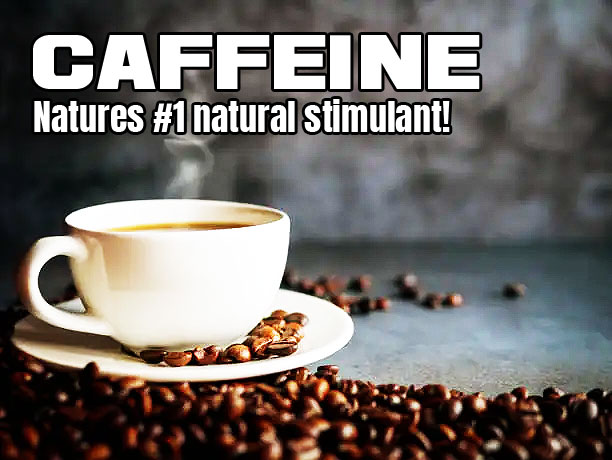
The Mechanism: Caffeine works primarily by blocking adenosine receptors in the brain. Adenosine promotes relaxation and sleepiness; by blocking it, caffeine increases neuronal activity. This triggers the release of adrenaline (epinephrine), preparing your body for intense physical output.
 As a Drug & Psychoactive Substance: The FDA considers caffeine both a food additive and a drug. It is psychoactive because it alters brain chemistry and function, leading to temporary improvements in alertness, mood, and cognitive performance. Regular use can lead to physical dependence and mild withdrawal symptoms (headache, fatigue, irritability).
- As a Stimulant: Caffeine is a central nervous system (CNS) stimulant that speeds up messages between the brain and the body. It increases circulation of chemicals like adrenaline and cortisol, and increases dopamine, which enhances motivation and pleasure.
- As a "Brain Amplifier" (Cognitive/Physical Enhancer):
- Cognitive Enhancement: It improves reaction time, concentration, and alertness. It can enhance memory and speed up processing, particularly under conditions of fatigue or sleep deprivation.
- Physical Performance: Caffeine is a well-documented ergogenic aid that increases endurance and reduces perceived exertion during physical activity.
- Neurological Protection: Some studies suggest that moderate, long-term consumption may have protective effects against neurodegenerative diseases like Parkinson's and Alzheimer's. [3, 4, 5, 6, 7, 8, 9, 10, 11, 12, 13]
Beyond energy, emerging research highlights caffeine's role in cellular health.
 Oncology Research: Recent studies suggest caffeine modulates key pathways (like inhibiting phosphodiesterases and the ATR-Chk1 pathway), showing potential as a chemopreventive agent, particularly regarding liver and colorectal health.
- Fat Loss: New studies confirm caffeine enhances lipolysis (fat breakdown) by inhibiting the adenosine A1 receptor pathway in fat cells, directly contributing to reduced lipid accumulation.
- Muscle Performance: It optimizes muscle contraction and delays fatigue by improving calcium handling in muscle cells and promoting fat oxidation for fuel.
Comparison to Others: Unlike the chlorogenic acids in Green Coffee or the catechins in Green Tea, caffeine’s power lies in its direct stimulation of the central nervous system.
- Optimal Dose: While400mg per day (about 3-4 cups of coffee) is considered safe for most adults, excessive consumption can cause anxiety, tremors, insomnia, and rapid heartbeat.
- Mechanism: It works primarily by blocking adenosine, a neurotransmitter that promotes relaxation and sleep.
- Tolerance: Regular users can build a tolerance, meaning more is required to achieve the same stimulating effects. [3, 4, 7]
In conclusion, caffeine acts as a legal "brain amplifier" by stimulating the nervous system, but it is technically a psychoactive drug with potential for dependence. [7, 14]
References:
- [1] https://www.drugs.com/caffeine.html
- [2] https://www.ncbi.nlm.nih.gov/books/NBK519490/
- [3] https://en.wikipedia.org/wiki/Caffeine
- [4] https://advancedmolecularlabs.com/blogs/news/caffeine-king-of-psychostimulants-for-mental-amp-physical-performance
- [5] https://www.thesupportivecare.com/blog/is-coffee-a-drug
- [6] https://www.betterhealth.vic.gov.au/health/healthyliving/caffeine
- [7] https://www.camh.ca/en/health-info/mental-illness-and-addiction-index/caffeine
- [8] https://adf.org.au/drug-facts/caffeine/
- [9] https://www.ama-assn.org/public-health/prevention-wellness/what-doctors-wish-patients-knew-about-impact-caffeine
- [10] https://pmc.ncbi.nlm.nih.gov/articles/PMC3839443/
- [11] https://www.kiwirecovery.com/addiction-treatment-blog/is-coffee-a-drug/
- [12] https://www.health.harvard.edu/blog/caffeine-healthy-diet-may-boost-memory-thinking-skills-alcohols-effect-uncertain-201406187219
- [13] https://mcpress.mayoclinic.org/healthy-brain/can-moderate-amounts-of-caffeine-positively-impact-brain-health/
- [14] https://www.youtube.com/watch?v=9eL16Exry48
Energy
Green Coffee
Green Tea
 top brands