

By: Author
Getting rid of unwanted body fat is a process, a 12-16 week metabolic process!
The quest to shed body fat for summer often leads to a frantic scramble of crash diets and excessive cardio. However, the physiology of fat loss is a metabolic equation best solved with strategic, sustainable interventions, not desperation. For those looking to reveal a leaner physique in the coming months, these six evidence-based strategies will optimize body composition without sacrificing muscle mass or metabolic health.

The foundation of fat loss is a caloric deficit, but the *magnitude* of that deficit determines body composition outcomes. Aggressive deficits (e.g., 1,000+ calorie cuts) trigger adaptive thermogenesis—a metabolic slowdown—and elevate cortisol, leading to muscle catabolism. A moderate deficit of 300-500 calories below Total Daily Energy Expenditure (TDEE) is optimal. Simultaneously, protein intake must be elevated to 1.6–2.2 grams per kilogram of body weight. A 2024 meta-analysis in *Obesity Reviews* confirmed that high-protein diets during a caloric deficit not only preserve lean mass but also increase the thermic effect of food (TEF) by up to 20%, effectively burning more calories during digestion (Hector et al., 2024).

The "summer shred" myth dictates hours of treadmill work. However, resistance training is the superior modality for aesthetic fat loss. Muscle is metabolically active tissue; preserving it ensures a higher resting metabolic rate (RMR). Furthermore, resistance training induces Excess Post-Exercise Oxygen Consumption (EPOC), where the body continues to burn calories at an elevated rate for up to 38 hours post-workout. Conversely, chronic steady-state cardio can increase cortisol and, in a caloric deficit, accelerate muscle loss. A 3-4 day per week resistance split focusing on compound movements (squats, deadlifts, presses) is the non-negotiable core of any fat loss phase.
NEAT — the energy expended for everything except sleeping, eating, and formal exercise—is the silent variable in fat loss. It accounts for 15-30% of total daily energy expenditure. Strategies to increase NEAT include using a standing desk, walking meetings, and aiming for 10,000-12,000 steps daily. A study in *Mayo Clinic Proceedings* demonstrated that individuals with high NEAT burned up to 2,000 more calories per day than sedentary counterparts, independent of structured exercise (Levine, 2022). Walking is the ultimate fat loss modality because it burns calories without inducing the systemic fatigue that compromises recovery.
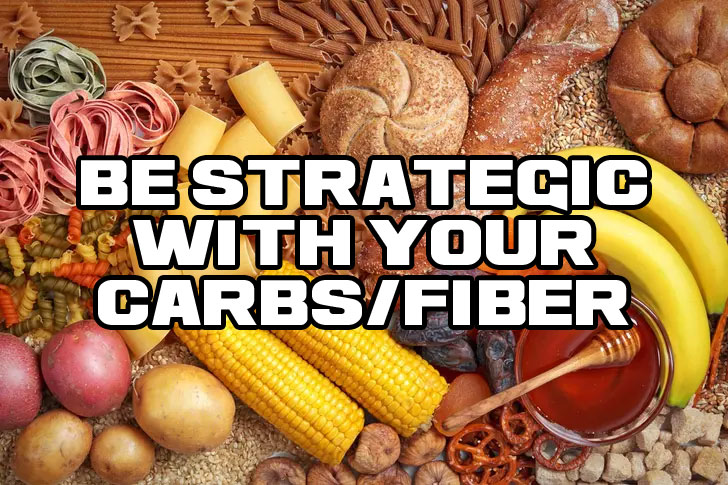
Rather than eliminating carbohydrates, which crushes workout performance and thyroid function, strategically time them around the training window. Consuming the majority of carbohydrates in the 2-3 hours pre- and post-workout ensures they are partitioned toward muscle glycogen replenishment rather than adipose (fat) storage. Additionally, increasing soluble fiber (from oats, legumes, and vegetables) to 30-40g per day slows gastric emptying, stabilizes blood glucose, and improves satiety. Research shows that simply increasing fiber intake by 14g per day is associated with a 10% decrease in caloric intake and significant weight loss over time (Miketinas et al., *Journal of Nutrition*, 2023).

Hormones dictate fat loss more than willpower. Sleep restriction (less than 7 hours) increases ghrelin (hunger hormone) by 15% and decreases leptin (satiety hormone) by 15%, creating a hormonal environment primed for overeating. Concurrently, chronic stress elevates cortisol, which specifically promotes visceral adipose tissue (belly fat) accumulation and triggers cravings for high-calorie "comfort" foods. A clinical trial found that individuals undergoing sleep extension protocols lost 50% more body fat compared to those in sleep restriction groups, despite identical dietary interventions (Tasali et al., *JAMA Internal Medicine*, 2022).
Dehydration is frequently misinterpreted by the body as hunger. Water is a requisite for lipolysis—the breakdown of fat. Without adequate hydration, the metabolic rate slows. Consuming 0.5 to 1.0 oz of water per pound of body weight daily is a baseline. Additionally, replacing processed foods with whole foods naturally reduces sodium retention and bloating. Ensuring adequate potassium intake (from leafy greens and avocados) helps balance sodium levels, reducing subcutaneous water retention that can obscure muscular definition.
The path to a summer physique is not a 30-day sprint of deprivation; it is a 12-16 week process of disciplined metabolic optimization. By focusing on these six pillars—deficit management, resistance training, NEAT, nutrient timing, sleep, and hydration—you ensure that the weight lost is fat, not muscle, and that the results are sustainable long after the season ends.
References:
- [1] Hector, A. J., et al. (2024) | Obesity Reviews, 25(2), e13659 | meta-analysis on high-protein diets for lean mass preservation during caloric restriction.
- [2] Levine, J. A. (2022) | Mayo Clinic Proceedings, 97(4), 760-772 | Comprehensive review on Non-Exercise Activity Thermogenesis (NEAT) and obesity.
- [3] Miketinas, D. C., et al. (2023) | Journal of Nutrition, 153(1), 119-128 | Association between dietary fiber intake, caloric intake, and weight loss.
- [4] Tasali, E., et al. (2022) | JAMA Internal Medicine, 182(3), 278-286 | Randomized clinical trial on sleep extension and its effect on body fat loss.
- [5] Helms, E. R., et al. (2023) | Sports Medicine, 53(5), 1001-1012 | Evidence-based recommendations for dietary periodization in natural bodybuilders.
tags: athlete nutrition supplements general health whole foods
Train Smart & Train Hard!
DL
Thank You...

Send Us Your Comments:
6 Ways to Lose Unwanted Pounds Before Summer - Comments
Related Articles
Comments:








 Get Yours